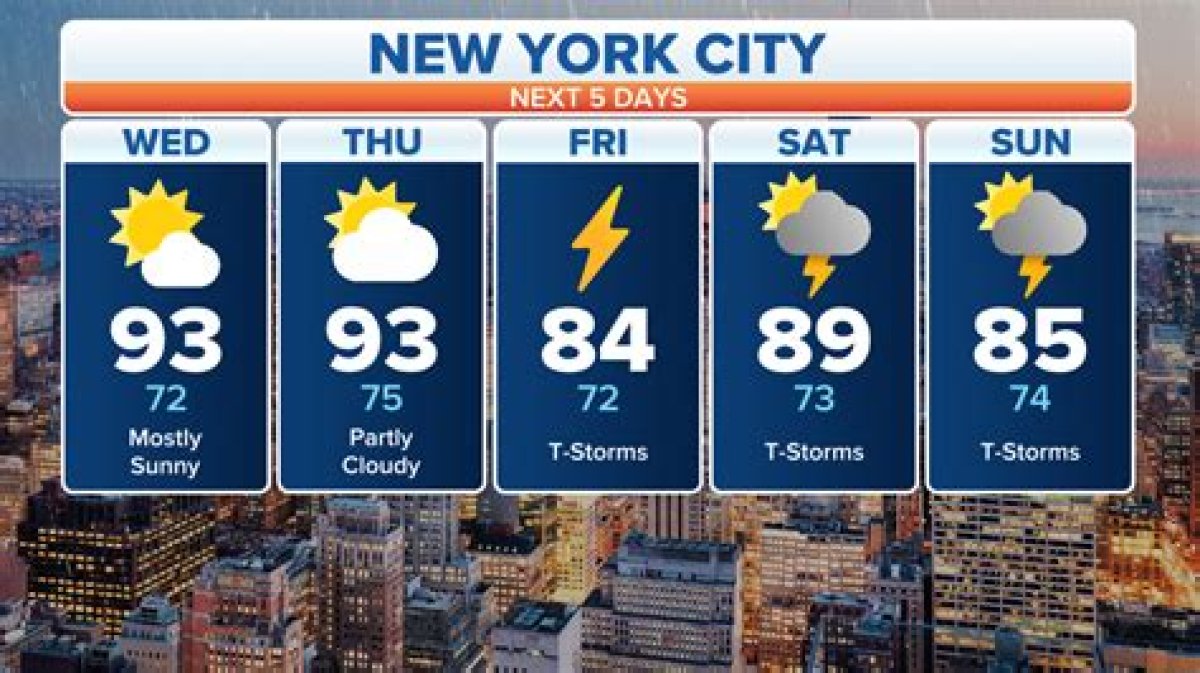
Understanding the New York weather forecast is essential for both residents and visitors alike. New York City, famously known for its dynamic atmosphere and vibrant lifestyle, experiences diverse weather conditions throughout the year. From snowy winters to humid summers, the city's weather can significantly impact daily activities and travel plans. This article will provide an in-depth analysis of the New York weather forecast, helping you to stay informed and prepared for whatever Mother Nature has in store.
In this comprehensive guide, we will explore various aspects of New York weather, including seasonal changes, average temperatures, precipitation patterns, and the tools available for accurate weather forecasting. Whether you're planning a trip to the Big Apple or you’re a local looking to stay updated, this article is designed to equip you with all the information you need about the New York weather forecast.
As we delve into the world of New York weather forecasts, we will emphasize the importance of staying informed through reputable sources. By understanding the climate and utilizing accurate forecasting tools, you can make better decisions regarding your outdoor activities, travel plans, and daily routines. So, let’s get started and explore the fascinating world of New York's weather!
Seasonal Changes in New York Weather
New York City experiences four distinct seasons: winter, spring, summer, and fall. Each season brings its own unique weather characteristics that define the city's climate.
Winter in New York
Winter typically spans from December to February, with temperatures often dropping below freezing. Snowfall is common, creating picturesque scenes in the city, but it can also lead to travel disruptions.
Spring in New York
Spring (March to May) witnesses a gradual warming trend, with blooming flowers and longer daylight hours. Rain is frequent during this season, so it’s advisable to keep an umbrella handy.
Summer in New York
Summer (June to August) can be hot and humid, with temperatures often exceeding 85°F (29°C). This season is perfect for outdoor activities, but be prepared for sudden thunderstorms.
Fall in New York
Fall (September to November) is characterized by cooler temperatures and stunning foliage. It’s a favorite season for many, as it offers comfortable weather for outdoor events.
Average Temperatures Throughout the Year
Understanding average temperatures can help you plan your wardrobe and activities accordingly. Below is a breakdown of the average monthly temperatures in New York City:
| Month | Average High (°F) | Average Low (°F) |
|---|---|---|
| January | 39 | 26 |
| February | 42 | 28 |
| March | 50 | 36 |
| April | 61 | 46 |
| May | 71 | 55 |
| June | 80 | 64 |
| July | 85 | 69 |
| August | 83 | 67 |
| September | 76 | 61 |
| October | 65 | 50 |
| November | 54 | 40 |
| December | 43 | 30 |

